

EPS Central Vacuum Unit
| Specification | Value |
|---|---|
| Configuration | Centralized multi-machine system |
| Vacuum Source | High-capacity pump station |
| Piping | Dedicated lines with isolation valves |
| Efficiency | Higher than individual machine-mounted pumps |
Key Features
- Single pump station serving multiple shape molding machines
- Higher energy efficiency versus individual machine-mounted pumps
- Dedicated vacuum lines with isolation valves for each machine
- Centralized maintenance and monitoring from one location
- Scalable capacity to match plant expansion
- Consistent vacuum levels across all connected machines
How Central Vacuum Works
In a multi-machine shape molding plant, each machine requires vacuum during the cooling phase of the molding cycle. Vacuum draws residual steam out of the mold cavity after fusion, accelerating cooling and allowing faster part ejection. Without adequate vacuum, cycle times increase and part quality can suffer from incomplete cooling or moisture retention.
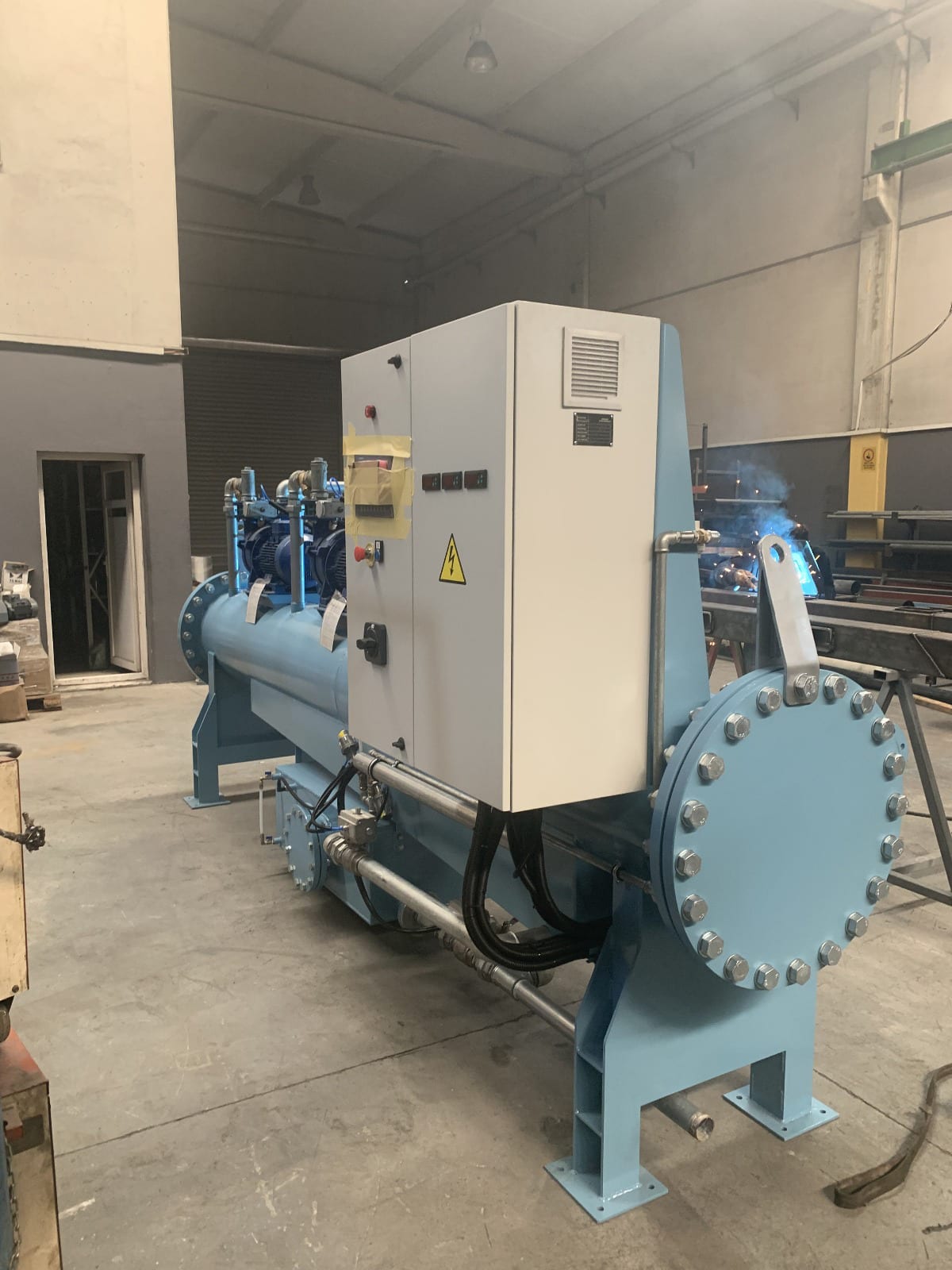
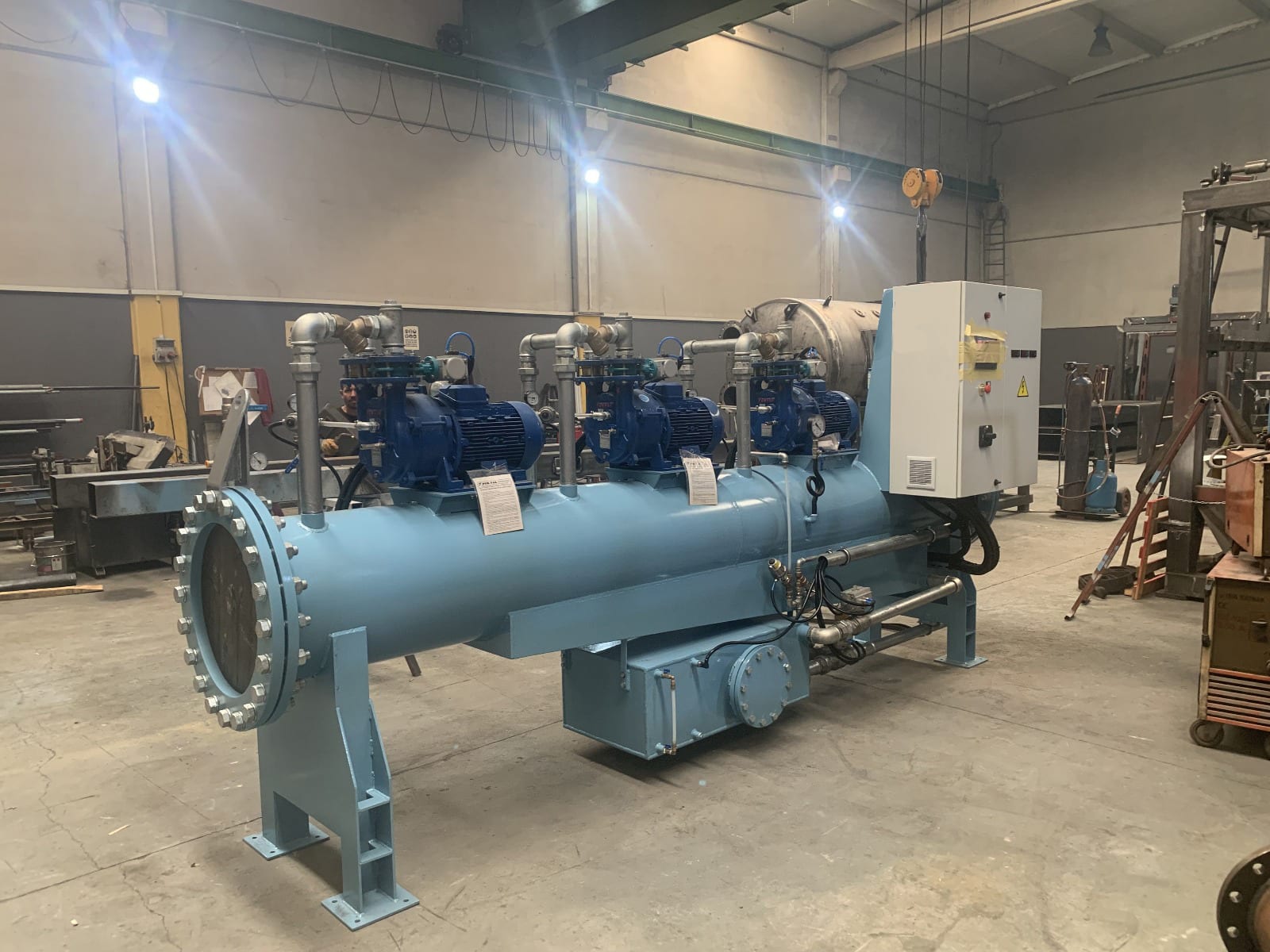
A central vacuum unit replaces the individual vacuum pumps that would otherwise be mounted on each shape molding machine. Instead, a single high-capacity pump station generates vacuum for the entire production floor. Dedicated piping runs from the central unit to each machine, with isolation valves allowing individual machines to be connected or disconnected from the system without affecting the rest of the line.
The pump station is typically located in a dedicated mechanical room or utility area, separating noise and heat generation from the production floor. The central unit draws process steam from all connected machines through a common header, condenses or exhausts it, and maintains the target vacuum level across the system.
Advantages Over Individual Machine-Mounted Pumps
The primary advantage of centralized vacuum is energy efficiency. In a plant with multiple shape molding machines, not all machines draw vacuum simultaneously. Molding cycles are staggered, and some machines may be idle or in changeover at any given time. Individual machine-mounted pumps run continuously regardless of whether their machine is actively demanding vacuum, wasting energy during idle portions of the cycle.
A central vacuum system sizes the pump capacity for the aggregate peak demand of all connected machines, accounting for the natural diversity in cycle timing. Because the total installed pump capacity is lower than the sum of individual pumps, and because the central pumps operate closer to their efficient load point, overall energy consumption drops significantly. In a plant running six or more shape molding machines, the energy savings from centralized vacuum can represent a meaningful reduction in operating cost.
Additional advantages include reduced maintenance burden (fewer pumps to service, all located in one accessible area), lower noise on the production floor, simplified utilities (cooling water and electrical connections concentrated at the pump station), and easier monitoring of system performance.
Sizing and Piping Considerations
Proper sizing of the central vacuum unit depends on the number of connected machines, the molding area of each machine, the target cycle rate, and the product types being produced. Larger mold cavities and denser products generate more steam per cycle, requiring greater vacuum capacity. The system must be sized to handle the peak simultaneous demand that occurs during normal production scheduling.
Piping layout is equally important. Vacuum lines must be sized to minimize pressure drop between the central pump station and each machine connection point. Undersized piping reduces effective vacuum at the machine, degrading cooling performance and extending cycle times. The piping network should follow the shortest practical routes, avoid unnecessary bends and restrictions, and use smooth-bore pipe to minimize flow resistance.
Each machine connection includes an isolation valve, allowing that machine to be taken offline for maintenance or mold changeover without breaking vacuum on the rest of the system. A properly designed header arrangement balances flow across all connected machines, ensuring that machines farther from the pump station receive the same vacuum level as those nearest to it.
Integration With the Production Line
The central vacuum unit is one component of the broader shape molding auxiliary system. It works alongside central bead feeding units, feeding pipelines, QMC frames, and mixing units to form a complete production infrastructure. When planning a new shape molding installation or expanding an existing line, the vacuum system should be designed in coordination with the overall plant layout, accounting for future machine additions and capacity growth. Eprotech engineers the central vacuum system as part of the turnkey plant design, ensuring that pump capacity, piping routes, and utility connections are properly matched to the production requirements.
Get Central Vacuum System Specifications
Tell us the number of shape molding machines in your plant and your target cycle rates. We will recommend the right pump capacity, piping layout, and system configuration.
Request Details