

EPS Block Molding Machines
Block form machines and vacuum systems for continuous, high-output EPS block production. Fixed wall and movable wall configurations.
How EPS Block Molding Works
EPS block molding is the process of fusing pre-expanded and cured EPS beads into large rectangular blocks using steam heat and pressure. The input material comes from the previous stage of the line: pre-expanded and aged beads that have rested in curing silos until they reach a stable, uniform condition suitable for molding.
In the block form machine, beads are pneumatically transferred into a sealed mold cavity, steam at 0.4 to 0.8 bar gauge is injected through perforated plates on opposite walls to soften the bead surfaces and fuse them together, and the block is then cooled under vacuum before ejection. A typical cycle runs through an air purge, cross-steaming from each side in turn, simultaneous steaming, and vacuum cooling. A well-configured block molding line achieves cycle times of 4 to 8 minutes, allowing 20 to 22 blocks per hour. Higher-density and thicker blocks cycle more slowly because steam must penetrate deeper into the bead bed and more heat must be removed during cooling.
The resulting blocks are not finished products in themselves — they are intermediate forms that are subsequently cut into sheets, panels, or profiled shapes on downstream EPS block cutting lines, making block dimensions a critical factor in overall production planning. For a fuller comparison of when block molding is the right route versus producing finished parts directly, see EPS block molding vs shape molding. Block molding sits at the heart of a larger sequence of equipment described in our complete EPS production machines guide.
Block Dimensions
Standard block sizes vary by regional market. European block forms typically produce blocks of 4000 x 1200 x 1000 mm. In the United States, common block sizes are 16 ft x 4 ft x 3 ft and 8 ft x 4 ft x 3 ft. Movable wall machines allow operators to adjust cavity dimensions within defined ranges to serve multiple size requirements from a single machine.
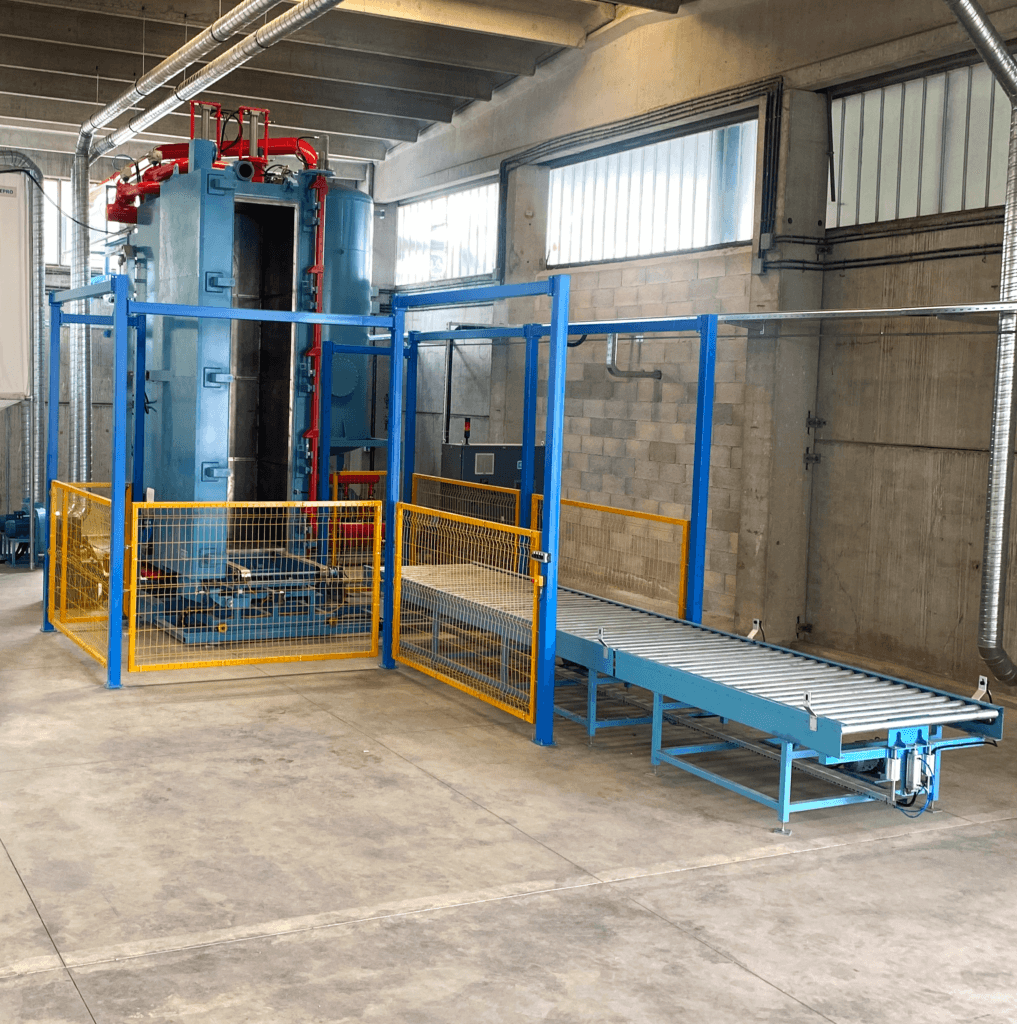
Fixed Wall vs. Movable Wall Block Form Machines
The block form machine is the core of the line, and Eprotech builds it in two configurations.
Fixed wall block form machines have a permanently defined mold cavity, which simplifies construction and reduces maintenance. They are sized to a single block dimension and optimized for the lowest cost per block in high-volume operations producing a uniform product.
Movable wall block form machines incorporate hydraulically adjustable walls, allowing the operator to change block width and length between production runs. This flexibility lets one machine produce multiple block sizes, which is the right choice when a factory serves customers with varied product dimensions or stocks several finished sizes.
Vacuum Systems
Every block form machine requires a vacuum unit to extract residual steam from the block after the fusion cycle and accelerate cooling. Two approaches are available: evaporative (water-based) cooling and dry cooling. Evaporative systems use internal condensers and cooling towers with water circulation. Dry systems use closed-loop heat exchangers with no external water circuits, a practical choice in regions where water supply is limited or expensive.
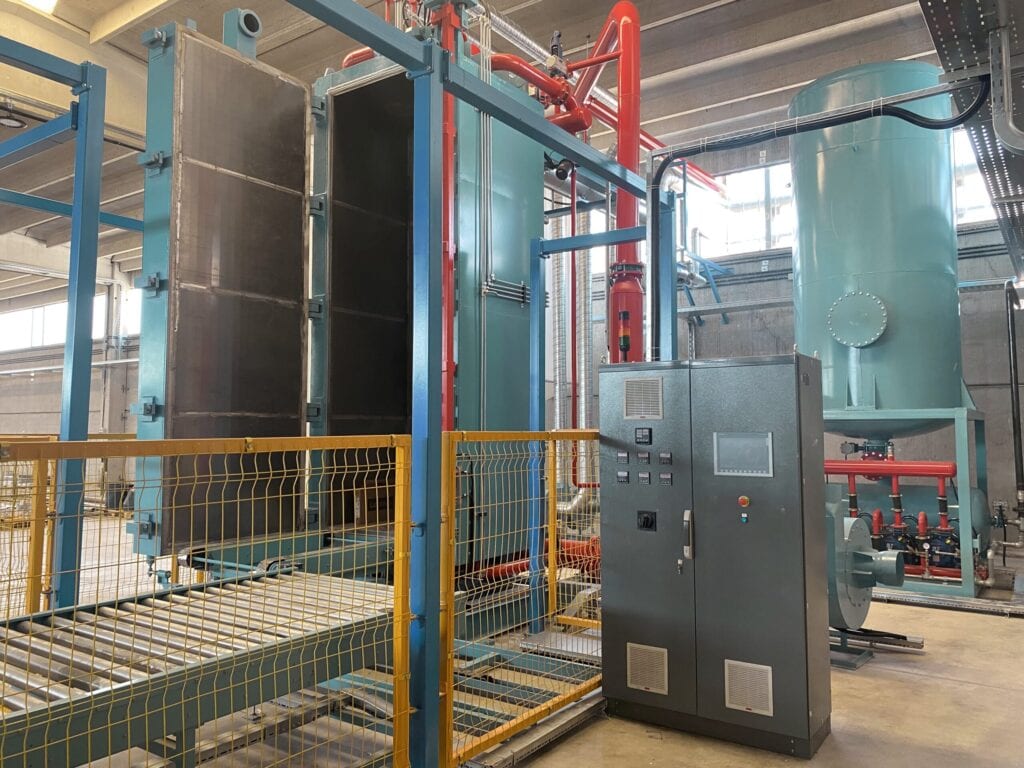
Mixing Unit
For operations that generate EPS scrap (from cutting waste, rejected blocks, or post-consumer recycling), a mixing unit allows ground scrap material — from the EPS scrap recovery system — to be blended back into virgin bead flow at ratios from 5% to 50%. The mixed material is fed directly into the block form machine. This reclaims material that would otherwise be discarded, reduces raw material costs, and is standard practice across the EPS industry. The mixing unit is a straightforward dosing and blending device that integrates into the pneumatic transfer line upstream of the block mold.
Machines for This Stage


Frequently Asked Questions
What is the production rate of an EPS block molding machine?
What block sizes can your block form machines produce?
What is the difference between fixed wall and movable wall block molding?
Can the machine process recycled EPS beads?
What utilities does an EPS block molding machine require?
What is included with a block molding machine quote?
Discuss Your Block Molding Requirements
Our engineering team can help you configure the right block form machines, vacuum systems, and mixing units for your production targets.
Get a Quote